

Exercises for a herniated disc: which physiotherapy should I do?
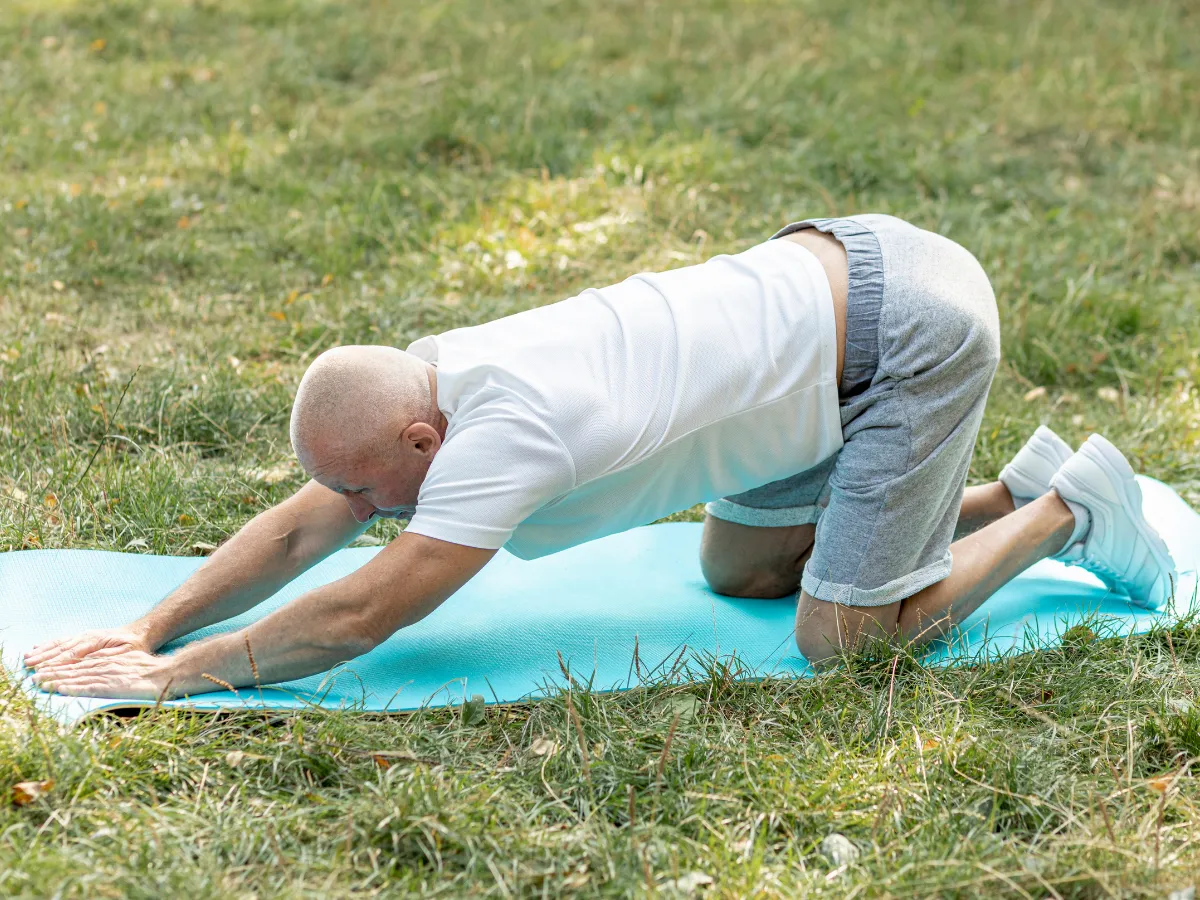
Having a herniated disc does not necessarily mean you have to rest, avoid exercise or follow a specific type of physiotherapy. In fact, in most patients, conservative treatment and functional recovery play a key role.
In summary:
- There is no universal set of exercises for a herniated disc: the programme must be individualised.
- The evidence favours active physiotherapy, with therapeutic exercise as the cornerstone of treatment.
- Massage, heat or electrotherapy can be a complement, but they should not replace exercise.
- If you have severe sciatica, loss of strength or changes in sensation, you should first be assessed by a spine specialist.
But there is a very common question: which exercises for a herniated disc can I do, and who should prescribe them?
The answer is simple: there is no universal exercise programme for all herniated discs. Treatment must be individualised according to the symptoms, the physical examination, the characteristics of the herniation and, above all, whether any nerve root is affected.
What is the best physiotherapy for a herniated disc?
Current scientific evidence favours an active physiotherapy approach, in which therapeutic exercise is one of the main pillars of treatment.
This means that physiotherapy should not rely solely on passive techniques such as massage, heat, electrotherapy or similar treatments. These techniques can be used in certain patients as a complement to control pain temporarily, but the main goal should be to progressively recover movement, strength, functional capacity and the confidence to use the back normally.
International clinical guidelines recommend structured exercise programmes for low back pain and sciatica1. Strategies that may be used include strengthening and training the trunk muscles, motor control exercises, mobility work, aerobic exercise and progressive programmes adapted to each patient’s characteristics.
Therefore, when we talk about physiotherapy for a herniated disc, the most important question is not “which exercise is best for a herniation?”, but: which exercise is right for this patient at this stage of their recovery?
Types of exercises for a lumbar herniated disc
Depending on each case, a physiotherapy programme for a lumbar herniated disc may include different types of exercises:
- Mobility exercises, to progressively recover movement of the spine and limbs.
- Motor control exercises, aimed at improving coordination and control of spinal movements.
- Trunk muscle strengthening, including the abdominal, lumbar and pelvic muscles.
- Strength and endurance exercises, which are progressively increased according to the patient’s tolerance.
- Aerobic exercise, such as walking, cycling, swimming or other activities.
- In certain patients, exercises in a specific direction of movement (such as those of the McKenzie method), especially when the symptom response during the examination suggests they may be beneficial.
- When pain radiates down the leg, exercises for sciatica that improve the mobility and tolerance of the nervous system (sciatic nerve neurodynamics) may be added when indicated.
Not all of these exercises are indicated for every patient, and they do not all have to be done.
In fact, the available evidence does not show that any single type of exercise is superior to the others for everyone with low back pain2. What seems most important is that the programme is individualised, progressive and adapted to each patient’s characteristics and goals.
Should I avoid exercise if I have a herniated disc?
In general, no. A herniated disc does not mean the spine must stay immobile. Unless there is a specific medical contraindication, gradually maintaining activity and recovering function is usually part of the treatment.
Current recommendations for low back pain and sciatica encourage people to keep up their usual activities as far as possible and to follow exercise programmes adapted to their needs and abilities. However, “exercising” does not mean that any exercise is suitable at any time.
A patient with a small herniated disc and low back pain without neurological involvement does not necessarily have the same needs as another patient whose herniation compresses a nerve root and causes sciatica, loss of strength or sensory changes. That is why a medical assessment should come first.
Who should prescribe exercises for a herniated disc?
Here it is important to distinguish between two roles within treatment.
The spine specialist: deciding whether physiotherapy is appropriate
The neurosurgeon or orthopaedic spine specialist should assess the patient as a whole and decide whether the condition can be treated conservatively with physiotherapy and exercise, or whether there is any circumstance that requires a different type of treatment.
To do this, they take into account the symptoms, the neurological examination and, when indicated, imaging tests.
This is especially important when there is severe pain radiating to a limb, loss of strength, changes in sensation, progressive symptoms or certain situations in which other treatment options may need to be considered, such as endoscopic spine surgery. We explain this in when conventional surgery can be avoided for a lumbar herniated disc.
Therefore, before starting a physiotherapy programme for a herniated disc diagnosed by MRI, it is advisable for the patient to have been assessed by a specialist when there are significant or neurological symptoms.
The rehabilitation physician and the physiotherapist: designing and carrying out the rehabilitation programme
Once it has been established that conservative treatment and physiotherapy are appropriate, the rehabilitation physician and the physiotherapist play a key role in herniated disc rehabilitation.
The rehabilitation physician can set the overall rehabilitation goals and coordinate treatment, while the physiotherapist carries out the functional assessment and develops and adapts the therapeutic exercise programme and the physiotherapy techniques needed.
Treatment should evolve as the patient does. An exercise that may not be appropriate during a phase of severe pain may be perfectly suitable a few weeks later. Likewise, as symptoms decrease, the goal should be to progressively increase strength, mobility, endurance and the ability to carry out daily and sporting activities.
Do massage, manual therapy or electrotherapy help with a herniated disc?
Manual techniques, such as certain mobilisations or massage, can be useful in some patients, especially as a complement to temporarily relieve pain or make movement easier.
But they should not replace therapeutic exercise and active recovery. The NICE guidelines, for example, recommend that manual therapy be used, when indicated, as part of a programme that includes exercise. They also advise against certain passive interventions such as traction for the routine treatment of low back pain and sciatica1.
For this reason, modern physiotherapy for a herniated disc should aim to make the patient progressively more independent and able to use their back normally, rather than relying solely on passive treatments. If you have a herniated disc and would like to know which treatment is right for you, you can make an appointment.
Frequently asked questions about exercises for a herniated disc
Which exercises are good for a herniated disc?
The exercises that are good for a herniated disc are those that form part of an individualised, progressive programme: mobility, motor control, trunk strengthening, strength and endurance, and aerobic exercise such as walking, cycling or swimming. No single exercise is better than the rest for every patient.
What is the best physiotherapy for a lumbar herniated disc?
The best physiotherapy for a lumbar herniated disc is active physiotherapy, based on therapeutic exercise. Passive techniques such as massage, heat or electrotherapy can complement it to relieve pain temporarily, but they should not replace it.
Are there forbidden exercises with a herniated disc?
With a herniated disc, there is no universal list of forbidden exercises. An exercise may not be suitable during a phase of severe pain and yet be appropriate a few weeks later, which is why a physiotherapist should adapt the programme to each patient’s symptoms and progress.
Is walking good if I have a herniated disc?
Yes, walking is usually good if you have a herniated disc. Aerobic exercise such as walking, cycling or swimming is part of many recovery programmes, and current recommendations advise keeping up usual activities as far as possible.
Do you need bed rest with a herniated disc?
No, with a herniated disc you generally do not need bed rest. Unless there is a specific medical contraindication, gradually maintaining activity and recovering function is part of the treatment.
Which exercises help with sciatica caused by a herniated disc?
The exercises that help with sciatica caused by a herniated disc may include, when indicated, exercises in a specific direction of movement and neurodynamic exercises to improve the mobility of the sciatic nerve. If the sciatica is severe or there is loss of strength, you should first be assessed by a spine specialist.
References
- National Institute for Health and Care Excellence (NICE). Low back pain and sciatica in over 16s: assessment and management. NICE guideline NG59. 2016 (updated 2020).
- Hayden JA, et al. Exercise therapy for chronic low back pain. Cochrane Database Syst Rev. 2021;9:CD009790.

Dr Sanmillán
Collegiate number 080845986
Highly specialized neurosurgeon, with more than 10 years of experience in minimally invasive techniques and extensive experience in endoscopic surgery and endoscopic spine procedures.